


Physical AI for the built world
The intelligence layer that reasons over how the physical world changes and predicts failure before it happens
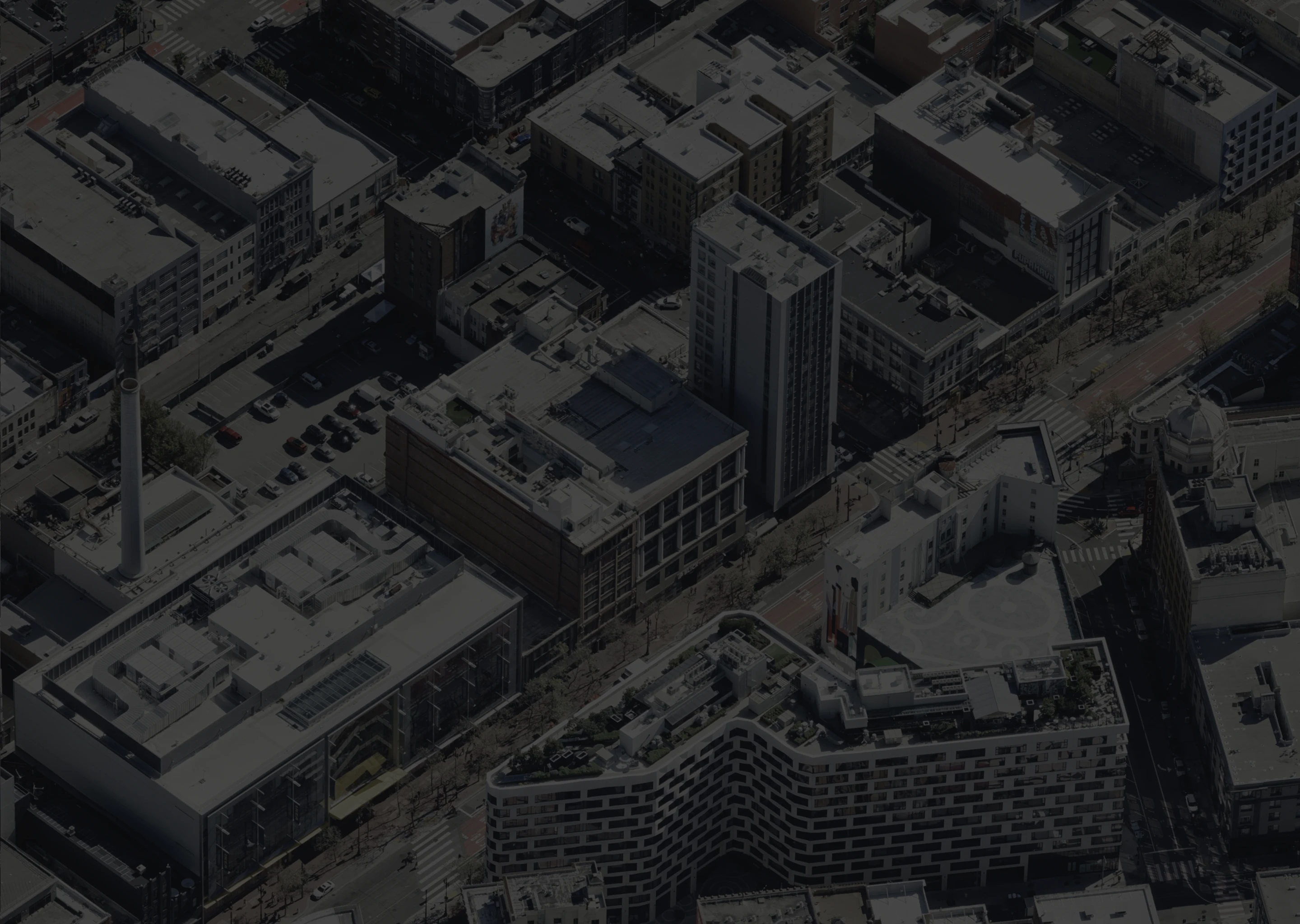
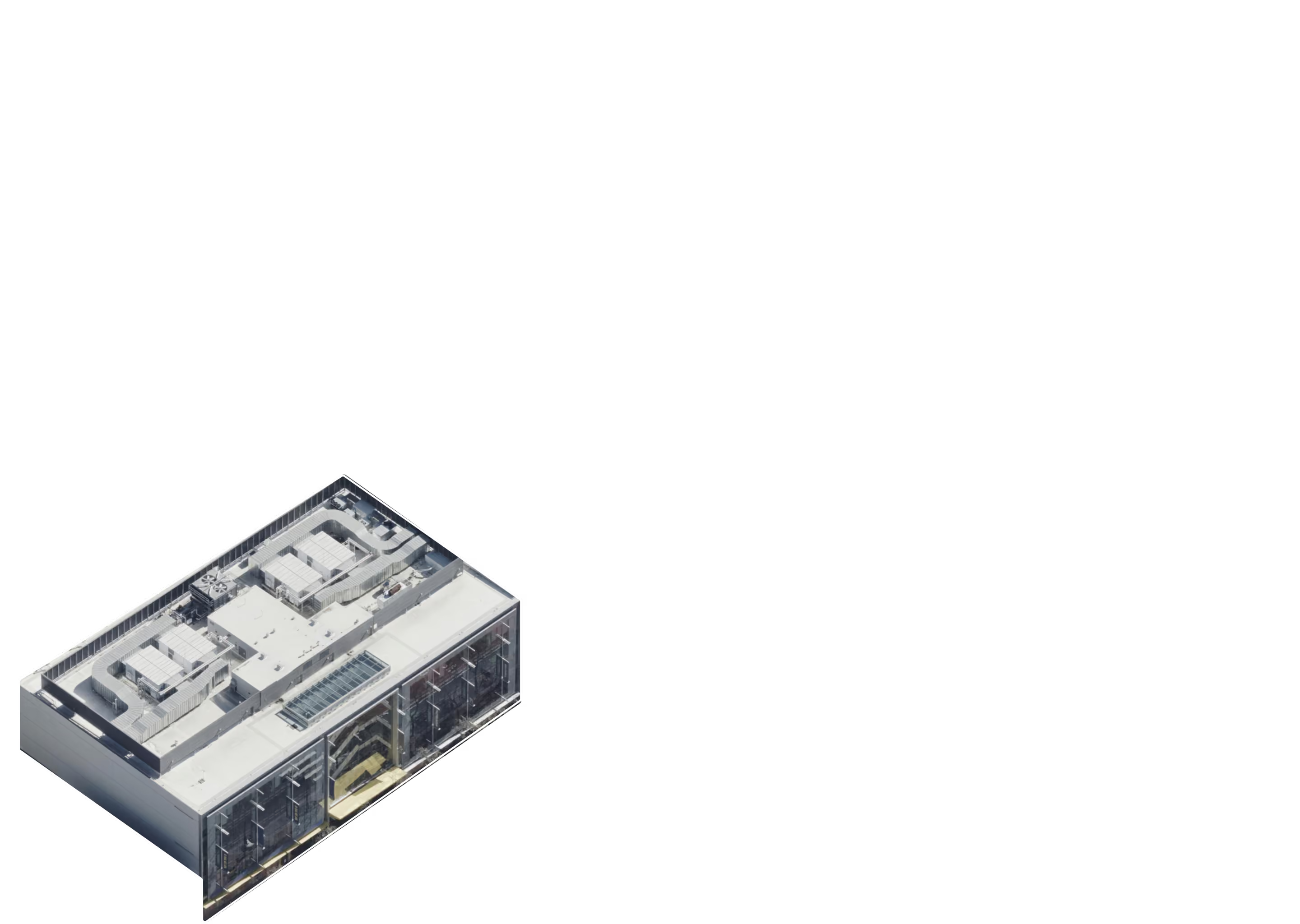
Heavier replacement HVAC will loosen the skylight curbs, leaking onto the retail floor by Q1 2029

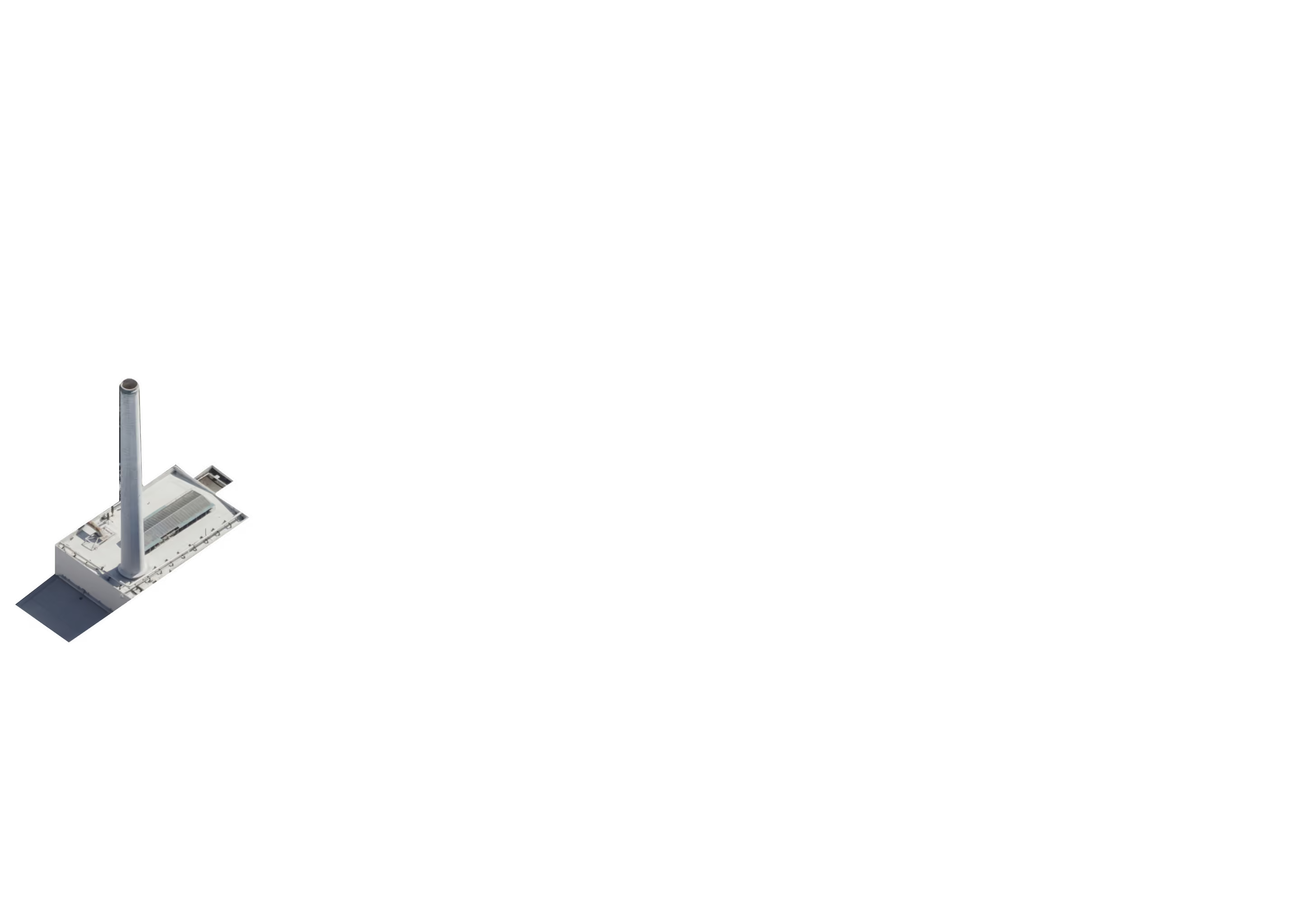
Pile-driving next door will accelerate the chimney’s lean 4x, closing the parking lot below by Q2 2027.

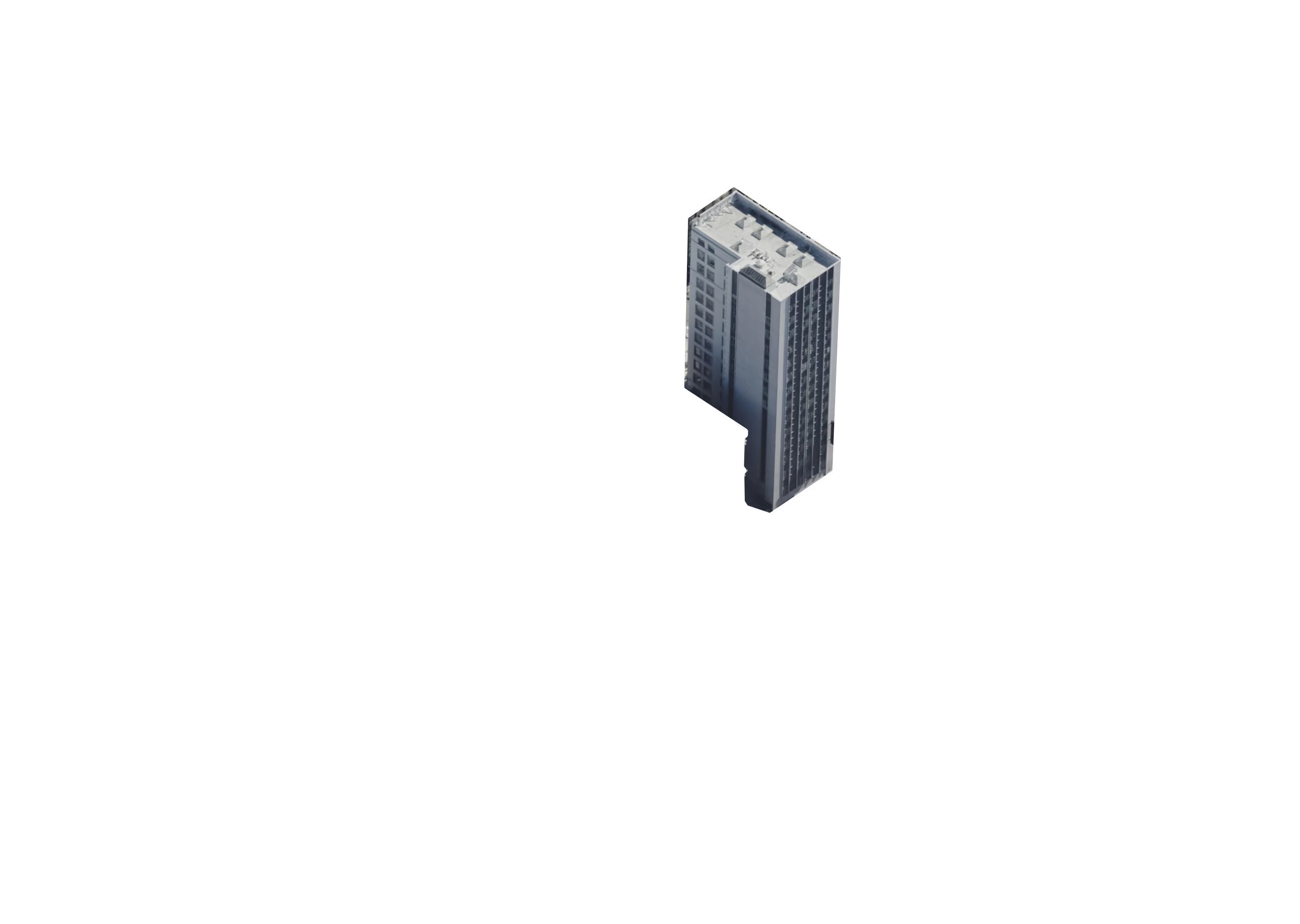
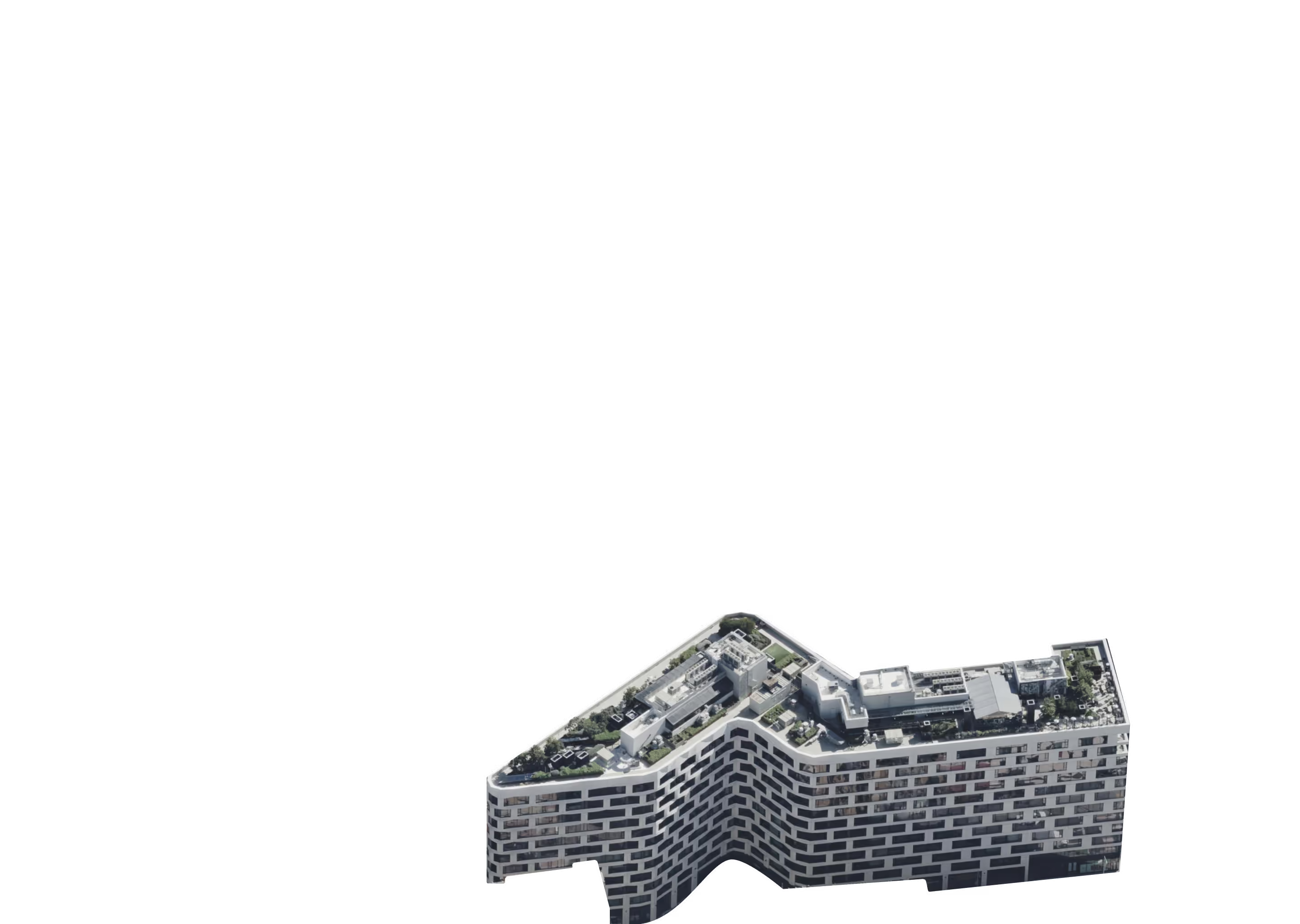
The new tower to the east will redirect wind onto this facade, driving rain behind the panels by Q3 2029

Continued unmanaged growth will bring vegetation into contact with structure in 6 months

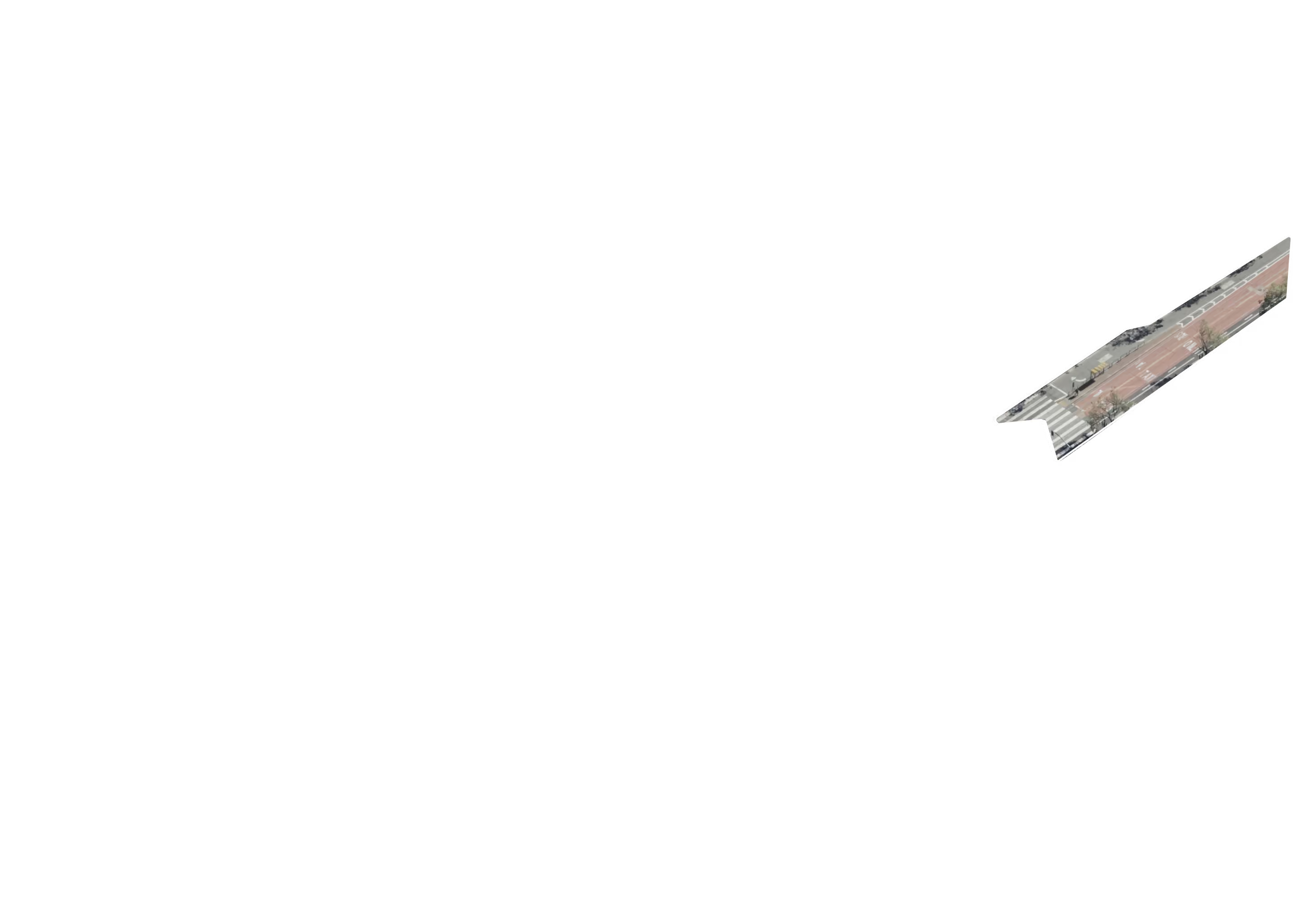
60 daily haul trucks will rut this transit lane 3x faster

Clogged drains will pond the next rain fall against the parapets, breaching the membrane by Q2 2030

Turns Observation Into Prediction Across Physical Assets
Terra, Geolava's world model for the built environment, learns how the physical world changes to predict consequential physical change before it becomes physical failure

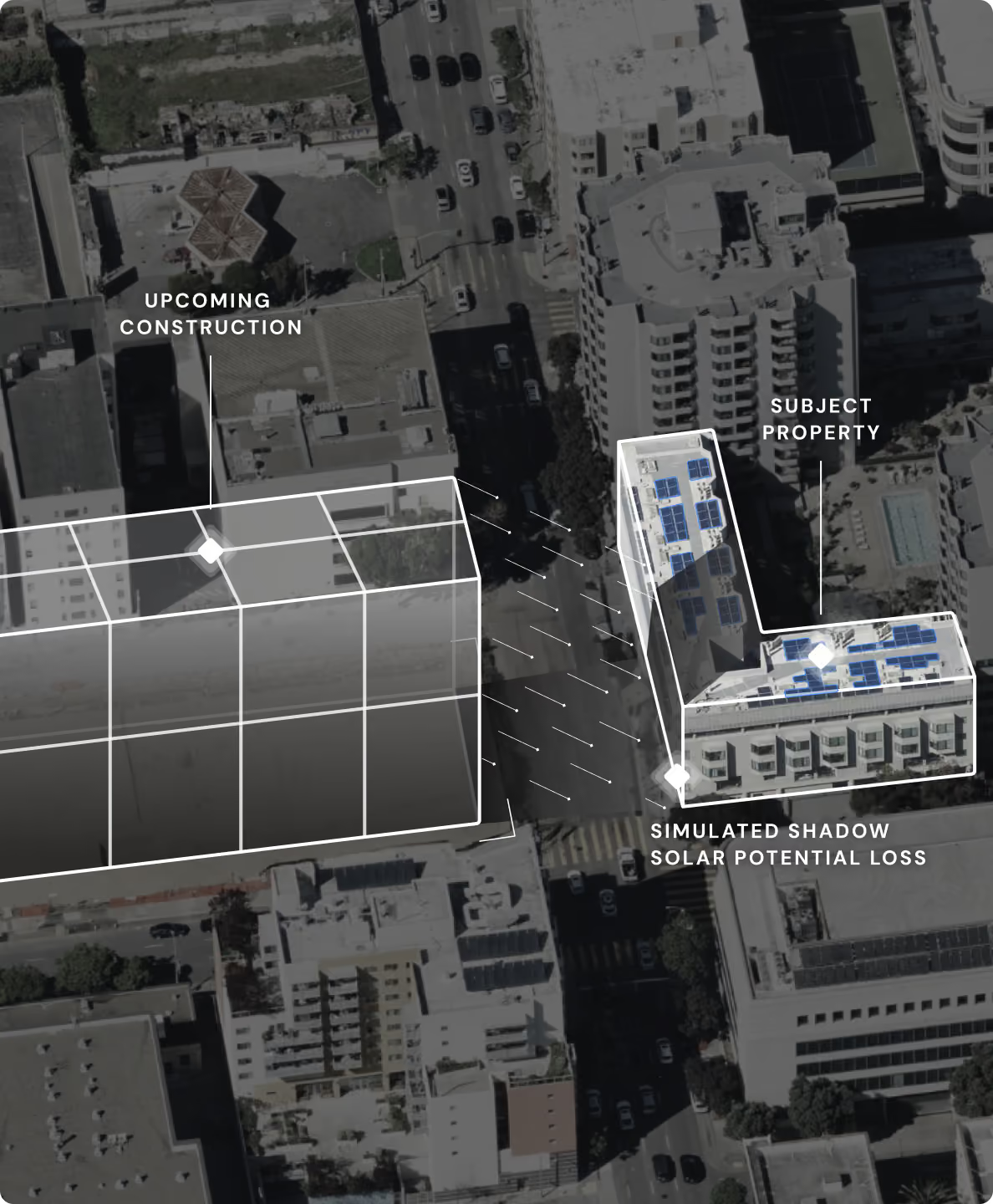

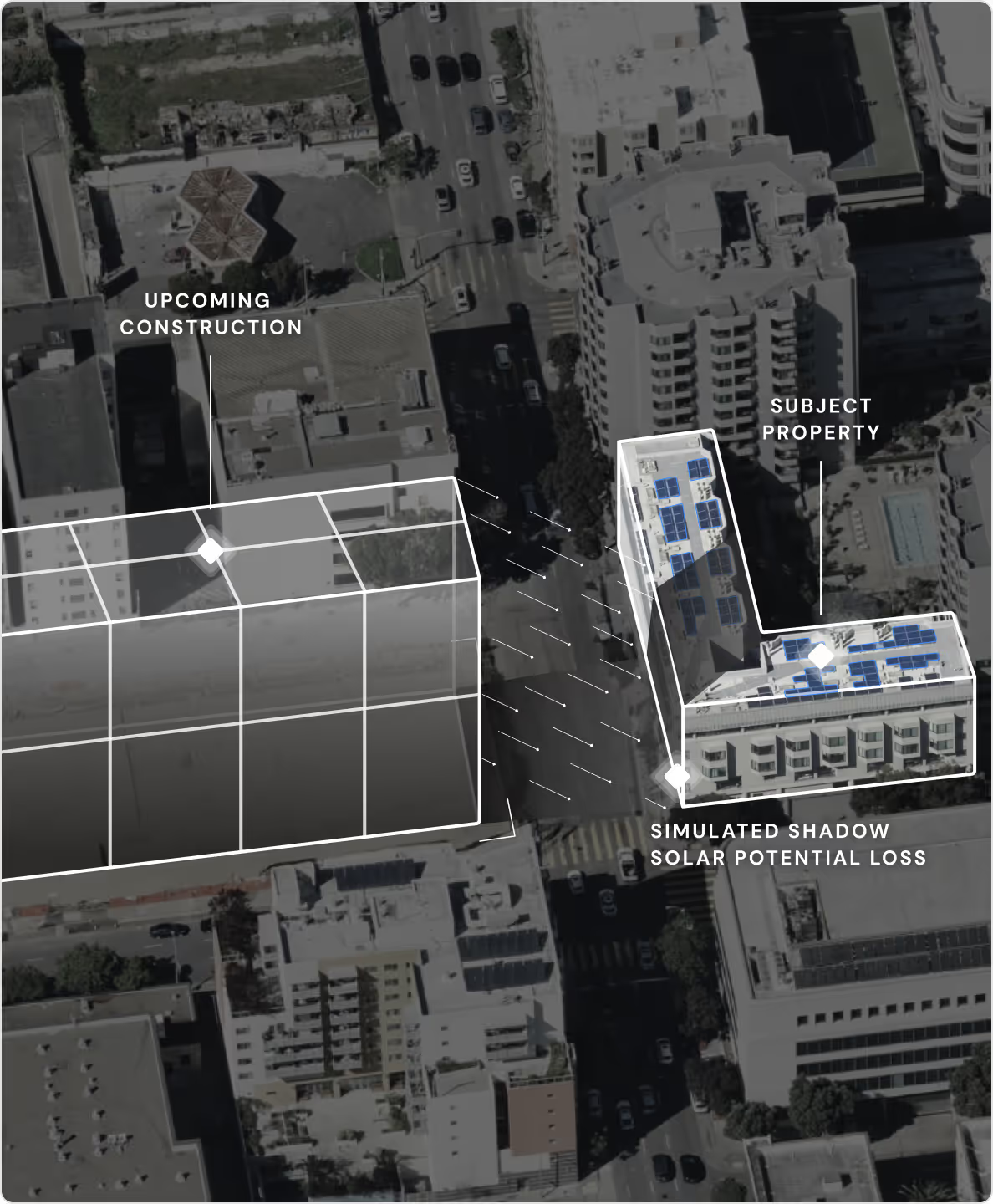
Are there changes that could impact this asset's value over the next 3 years?

If the adjacent tower is constructed at the proposed height, shadow exposure and view corridor loss may reduce the property valuation by up to 18%


AUTHORITY DIRECTOR
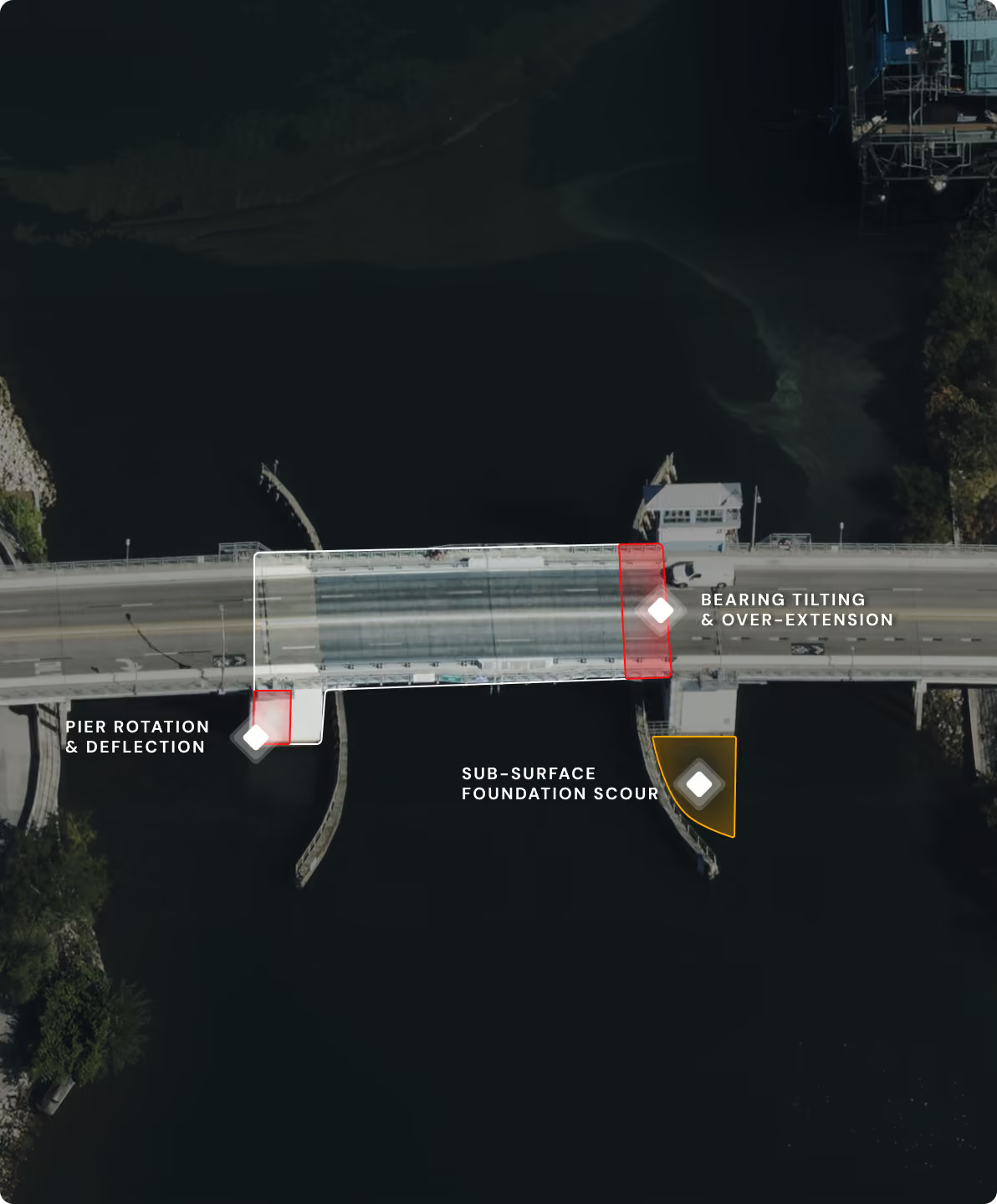
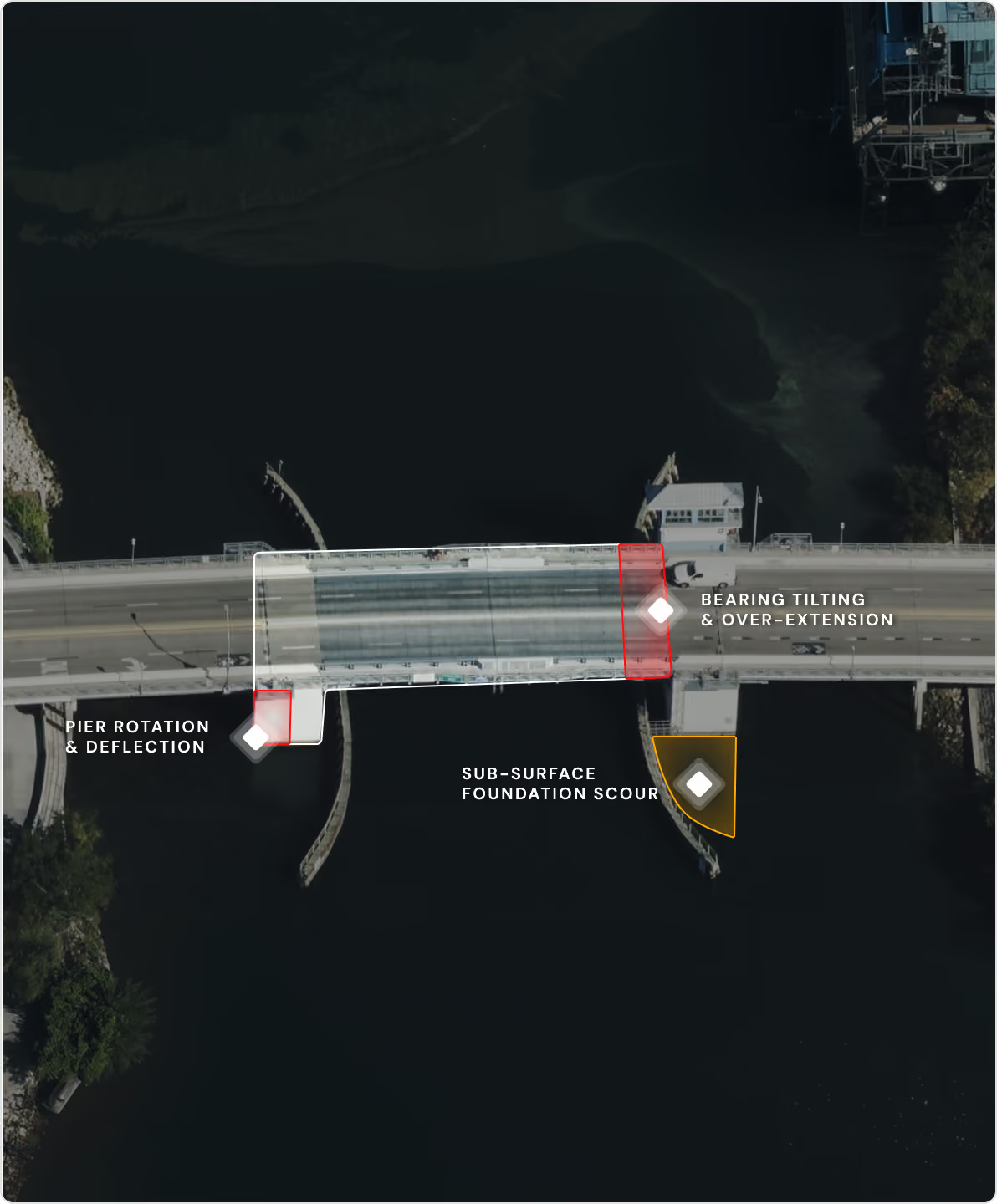
Can this river crossing safely support a 45% increase in heavy freight traffic over the next year?
No. Our causal engine detects hidden failure signals beyond standard inspections. Critical bearing failure is projected within 14 months.
Key risks:
· Rollers exceeding limits.
· Columns twisting under heavy loads.
· Currents eroding foundation soil.


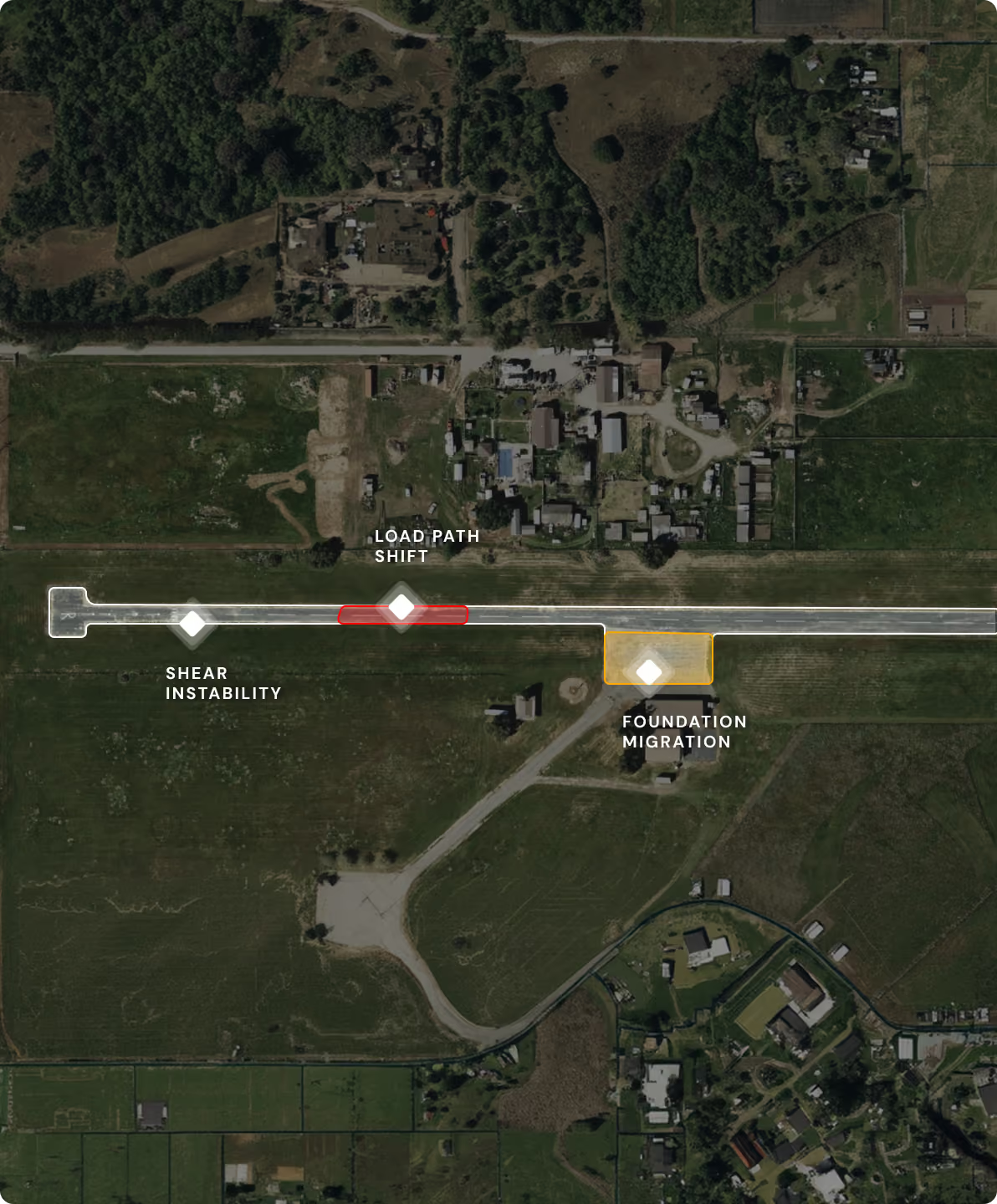
Can this civilian airstrip withstand more heavy cargo landings and high-temperature takeoffs without structural failure?
No. Our causal engine monitors severe thermal and structural breakdowns below the surface. High-temperature vertical propulsion downblasts have superheated asphalt 15 cm deep, surpassing safety limits. Meanwhile, new crater patches are shifting under incoming aircraft weight. More than 3 vertical takeoffs will cause structural failure, damaging the runway and creating debris hazards for your fleet.
Real-World Applications
The first production applications running on top of our core model.
Investment
Are there changes that could impact this asset's value over the next 3 years?
If the adjacent tower is constructed at the proposed height, shadow exposure and view corridor loss may reduce the property valuation by up to 18%
Defense
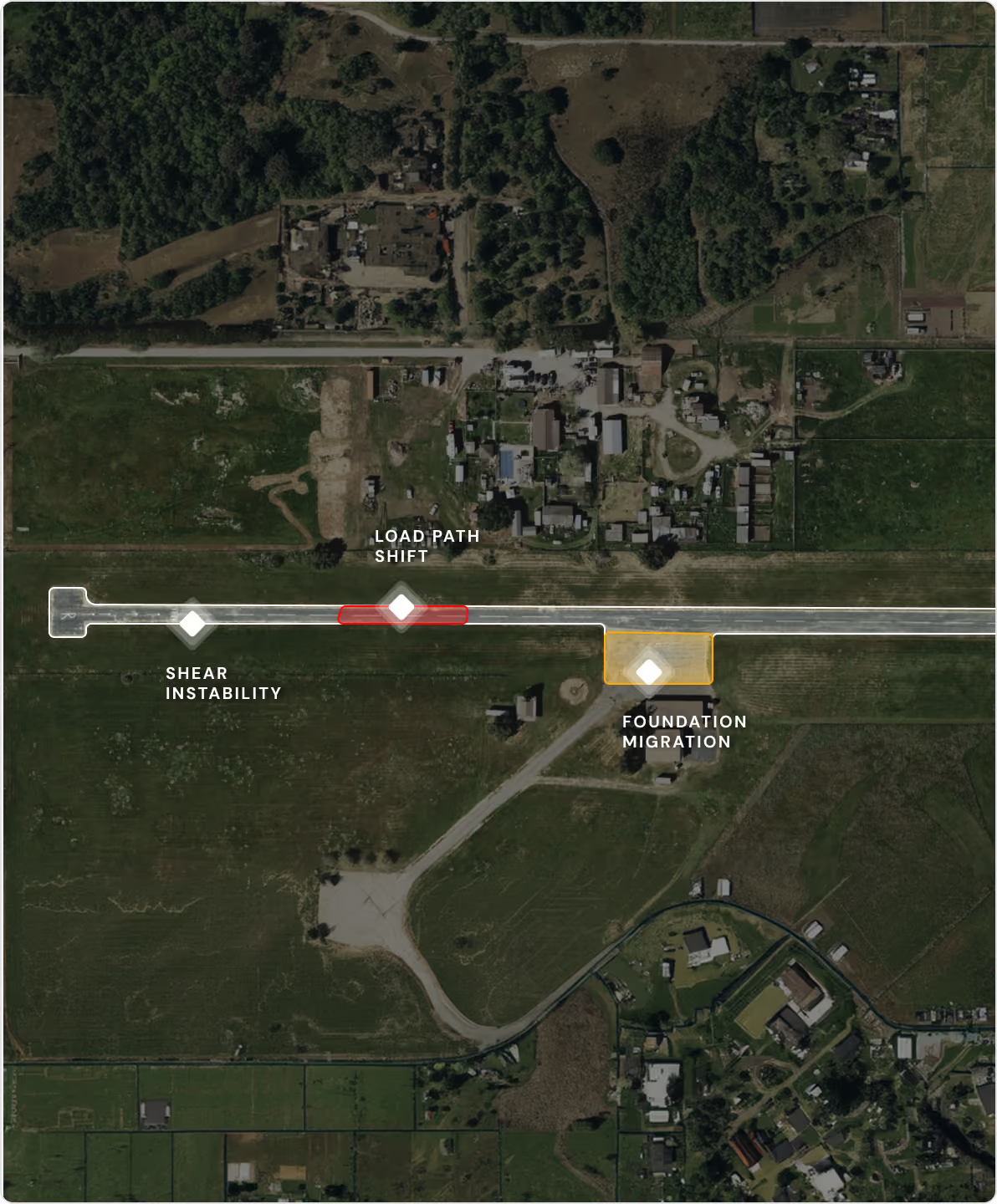
Can this civilian airstrip withstand more heavy cargo landings and high-temperature takeoffs without the asphalt cracking?
No. Our causal engine monitors severe thermal and structural breakdowns below the surface. High-temperature vertical propulsion downblasts have superheated the asphalt 15cm deep, surpassing safety limits. Meanwhile, new crater patches are shifting under the weight of incoming aircraft. More than 3 vertical takeoffs will lead to structural failure, damaging the runway and creating a debris hazard for your fleet.
Infrastucture
Can this river crossing safely support a 45% increase in heavy freight traffic over the next year?
No. Our causal engine detects failure signals invisible to standard inspections. Current projections indicate critical bearing failure within 14 months.
Key risk factors:
· Rollers beyond safe limits.
· Concrete support columns twisting under heavy vehicle loads.
· River currents eroding the soil supporting the bridge foundations.
Ready out of the box. Custom when you need it


Embeddings
nference API
Deployment


